Nobody plans for their crawl space to become a junk drawer. It just happens. The builder leaves scraps of lumber and a few empty buckets. A plumber cuts a hole in the plastic and doesn't patch it. Insulation falls and stays where it lands. A family of mice moves in for a few winters. Twenty years later, the space under the house is full of stuff nobody wants to touch.
Crawl space cleaning means getting all of that out, so the space is clear, dry enough to work in and ready for repairs or a new liner.
What usually comes out
Every crawl space is different, but here's what crews commonly pull out from under Mooresville homes:
- Old vapor barrier. Thin plastic that's torn, bunched up or full of holes. Often there are two or three layers from different decades.
- Fallen insulation. Fiberglass batts that dropped from the floor, usually wet, sometimes moldy and often with pests nesting in them.
- Construction debris. Lumber offcuts, drywall scraps, bricks, block, concrete chunks, shingles, empty caulk tubes and bags of who knows what.
- Old ductwork. Abandoned flex duct or metal duct left behind when a system was replaced.
- Household storage. Things someone put down there years ago and forgot.
- Pest and animal mess. Droppings, nests, shed snake skins and occasionally a dead animal.
Why it's worth doing
You can't fix what you can't see. Debris hides wood rot, termite tubes, plumbing leaks and cracks in the foundation. Clearing the space lets an inspector see the whole floor, every pier and the base of every wall.
Old material holds moisture. Torn plastic traps water in spots. Wet insulation on the ground acts like a sponge. Wood scraps lying on red clay rot and attract termites.
The air comes upstairs. Some of the air in your living space started in the crawl space. If there's mold, droppings or rotting material down there, it can contribute to that musty smell inside.
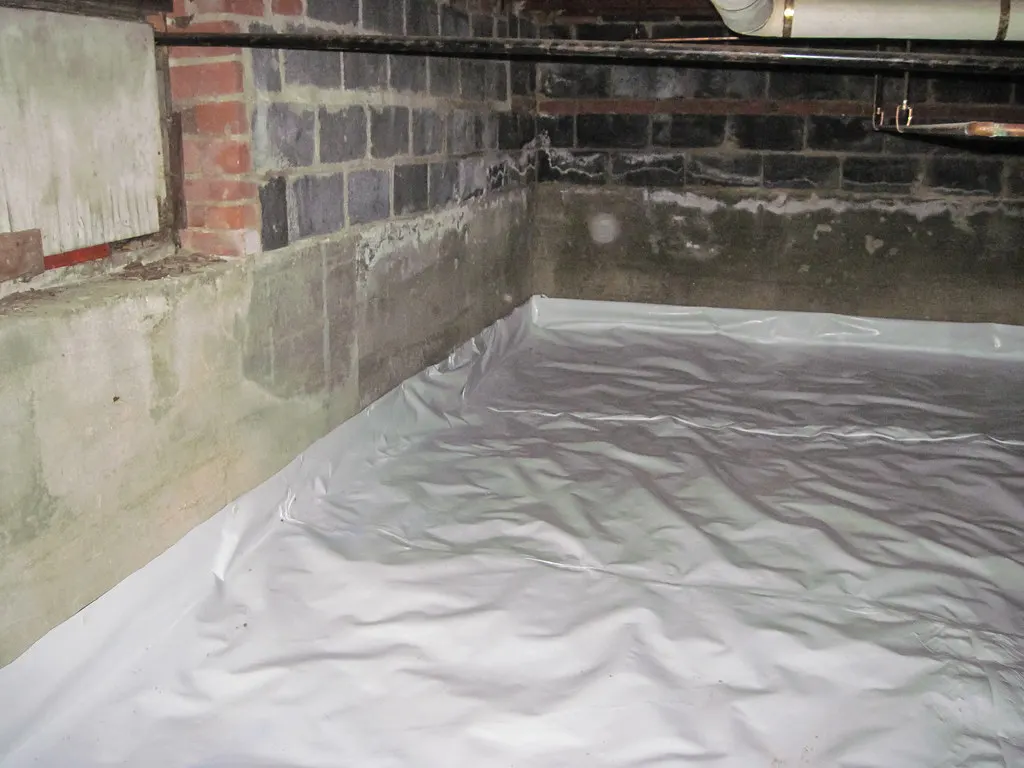
Encapsulation needs a clean start. You can't lay a new liner over lumber, rocks and old plastic. Sharp debris punctures it, and anything left under it keeps rotting. Cleaning is the first step of almost every encapsulation or vapor barrier job.
Cleaning up after pests
Rodent droppings and nesting material need more care than ordinary debris. The crew should wear proper respiratory protection and gloves, avoid stirring up dust, and bag contaminated material before bringing it out. Areas where animals nested are usually sanitized after removal.
Cleaning up after pests only helps if they can't get back in. Ask the contractor to point out gaps around pipes, broken vent screens and openings in the foundation. Some of those can be sealed as part of the job, and an active infestation is a job for a pest control company. If you see termite tubes or damaged wood, the contractor should show you, and subfloor and wood rot repair may follow once the pests are handled.
How a crawl space cleaning goes
- Inspection first. A local pro goes under the house, takes photos and notes what's there, what condition it's in and whether anything (like mold or pest activity) needs special handling.
- Written quote. The quote spells out what's coming out, how it's being disposed of and any sanitizing or treatment.
- Removal. The crew bags and hauls debris, old plastic and insulation out through the access door. In a low or tight crawl space, this is slow, careful work.
- Rake and level. Once the space is clear, the soil surface can be raked smooth so a new ground cover lies flat.
- Photos after. You get photos of the cleaned space, along with anything the crew found once the debris was gone.
Most cleanings take a day. Very full or very tight crawl spaces can take longer.
What affects the price
- How much material there is, and how much is wet or heavy
- Crawl space height and how far debris has to be dragged to the door
- Pest contamination that needs extra protection and sanitizing
- Disposal of insulation, plastic and old ductwork
- Whether it's part of a larger job like encapsulation
Cleaning is often bundled with the work that follows it, which saves a separate trip. See the crawl space cost guide for more on how pricing works.
Things to keep out of the crawl space
Once it's clean, keep it that way. Avoid storing cardboard boxes, wood, paper or fabric down there. They hold moisture and attract pests. If you need storage, ask whether an encapsulated space can handle sealed plastic bins on the liner.
This site covers Mooresville and nearby areas, including Cornelius, Davidson and Troutman.
Questions people ask
How often should a crawl space be cleaned?
Most crawl spaces don't need regular cleaning. They need one good cleanout, then a proper ground cover and moisture control. After that, a quick look every year or so is usually enough.
Is it safe to clean up rodent droppings in a crawl space myself?
Rodent droppings can carry disease, and sweeping or vacuuming them can stir particles into the air. It's usually better left to a crew with proper respiratory protection and cleanup methods. If you do any of it yourself, follow your local health department's guidance.
Do I need cleaning before encapsulation?
Yes. Debris, old plastic and fallen insulation have to come out before a new liner goes down. Most encapsulation quotes include it, but check that it's listed.
What happens to the old insulation and plastic?
It's bagged and hauled away for disposal. The written quote should say that removal and disposal are included, so there's no surprise charge later.